To make the shift from public or private schooling to homeschooling is daunting. Reading through homeschooling social media groups, you will almost every day find a new mom asking where to start and how to homeschool.
The truth is, there are many different ways to homeschool. One is not necessarily better than the other. What is more important is to find something that works for both parent and child. But to help you get started, let’s have a look at 5 popular homeschooling methods.
Traditional
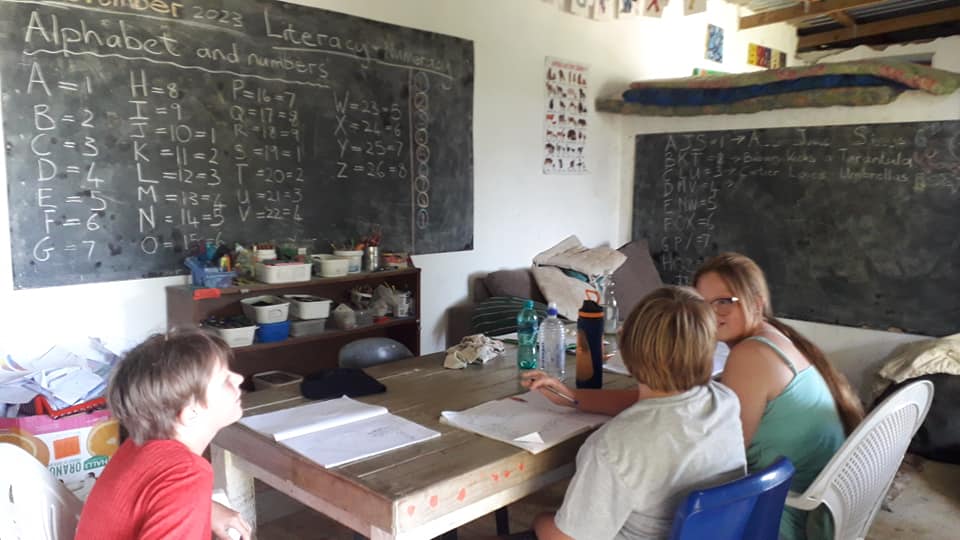
Most people start with the traditional method as it is similar to the public schooling structure and feels familiar and safe. This method is also sometimes called “school-at-home” as it replicates the school structure.
With traditional homeschooling, people usually follow an all-in-one curriculum covering every subject per grade like they do in public schools. Families usually have a structured time schedule and often have a classroom at home. This is also a popular method for online schooling.
Although it is a popular option to start with, many people move away from this as it takes away the freedom they thought they would have with homeschooling.
Eclectic
This is an individualised approach where you take each individual child’s strengths, learning style and interests into consideration and build your learning plan and subject material around that.
Following this approach means you use a variety of different material and resources for each child. Children learn best when they are interested in the subject and it is taught in a way that suits their learning style. The eclectic approach certainly caters for this.
Although it sounds overwhelming, many families follow this approach with great success. With good planning and practice it becomes second nature.


Charlotte Mason
According to Charlotte Mason, education is “an atmosphere, a discipline, a life”. She was a British teacher and believed in educating the whole child and not just the “mind”.
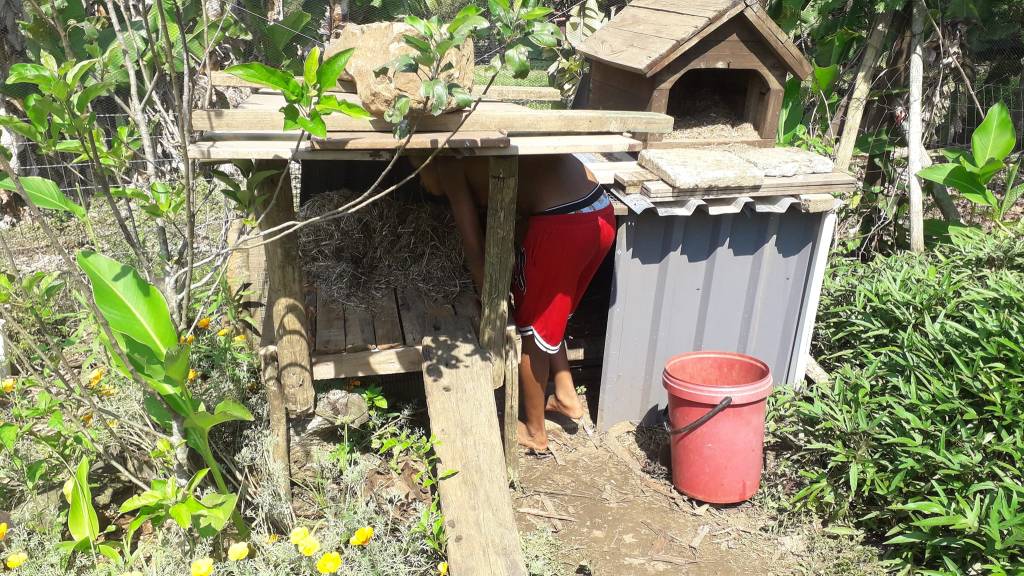
Part of the learning happens through reading high quality literature books also known as “living books”. In living books, facts are intertwined within the stories and children learn through using their imagination instead of learning the facts. This method also relies on journaling, narration, dictation and copy work.
Charlotte Mason also believed in spending a lot of time exploring nature and also in developing appreciation for art and music.
Unit Studies
Unit studies are popular with younger children and uses a method of deep focus on one topic at a time. All subjects get connected to this one topic. This is a great method for children with special interests.
For example if you have a child that loves the ocean, you can write down the names of different fish for handwriting practice. Read ocean stories. Do mathematical calculations with different species of sea animals etc.
You don’t have to stick to one theme forever. As your child’s interests change, you can change the topic you use. This can be a lot of fun to learn about various different topics.
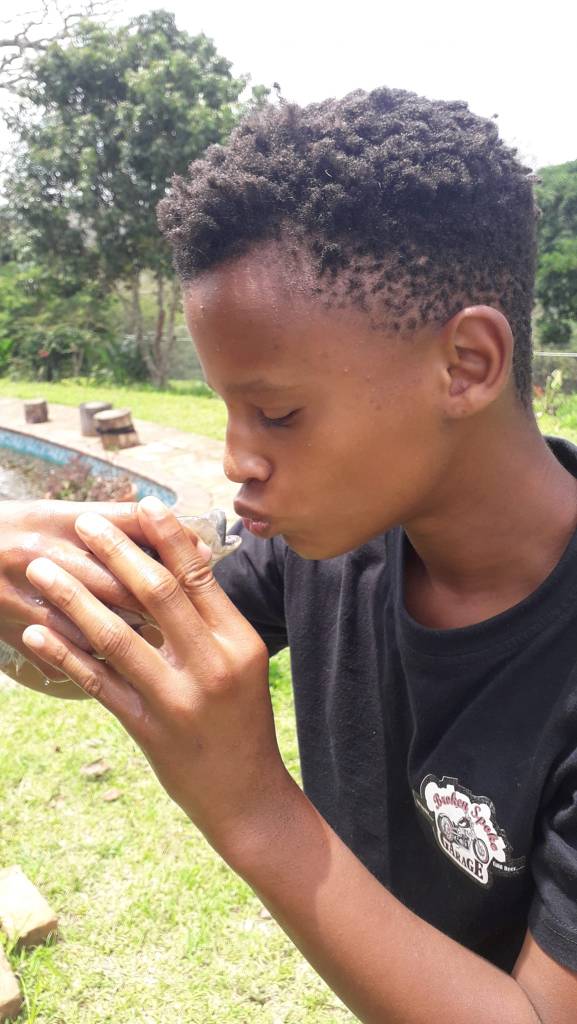
Uncshooling
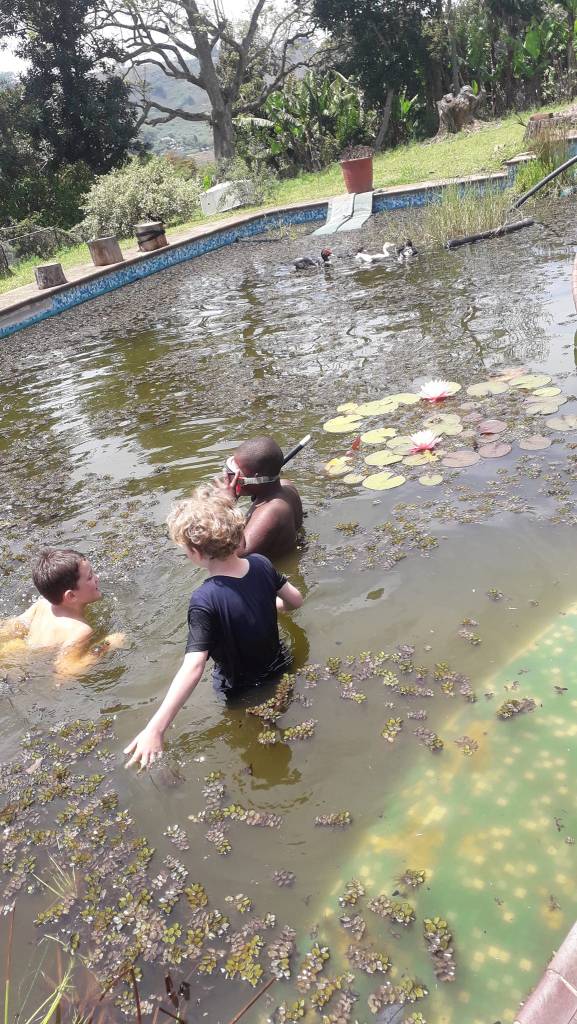
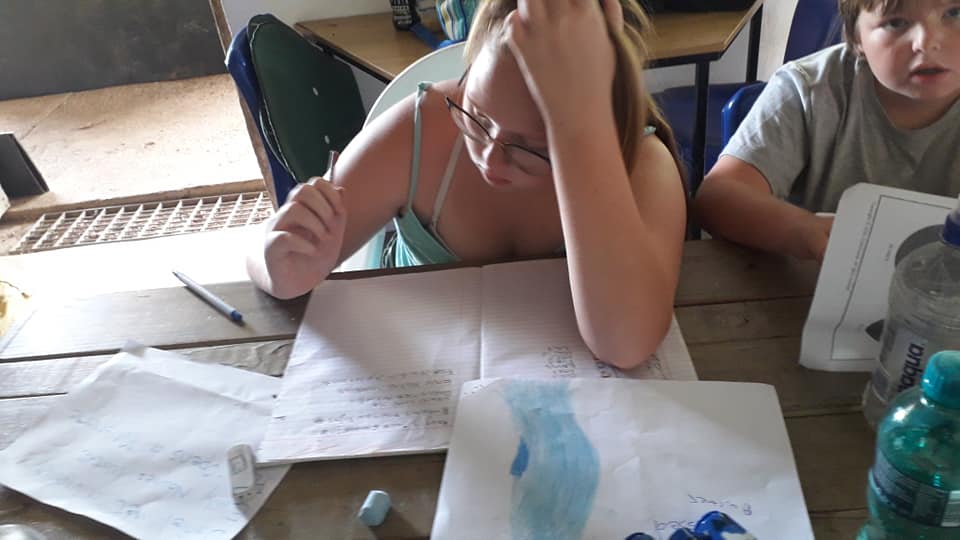
Unschooling has no schedule, assignments, tests or curriculum. It is not an educational approach. Unschooling is based on the philosophy that learning is a natural process. Your child is trusted to gain knowledge organically.
This is an active process where your child learns through experimental experiences. The parent is there to guide and facilitate, not to actively teach. Unschooling requires a partnership between parent and child.
This method is not for the faint hearted as you need to trust the process and trust that your child is learning all the time.
Animalia
At Animalia we have a good mixture of different methods. Children learn naturally every day from the farm-like environment of the school setting while there is also time scheduled for formal work based on the day’s interest.
We create an environment for natural learning and socialising with the right guidance and support from the teachers. Children can learn in a safe environment while they have plenty of space and time to explore their own interests.
 Animalia Learning Center