“Schools and schooling are increasingly irrelevant to the great enterprises of the planet. No one believes anymore that scientists are trained in science classes or politicians in civics classes or poets in English classes.” – John Taylor Gatto
What is the Purpose of Schooling?
The aim of formal education or schooling is to create an opportunity for young people to learn new skills and gain knowledge. This will enable them to be successful members of society.
In order to achieve this, we need to understand what it means to be a successful member of society. For many this concept relates to academics. Being successful is often related to your profession and social status.
This however does not take into consideration how you interact as part of society. Neither does it leave space for how the professional world has changed.
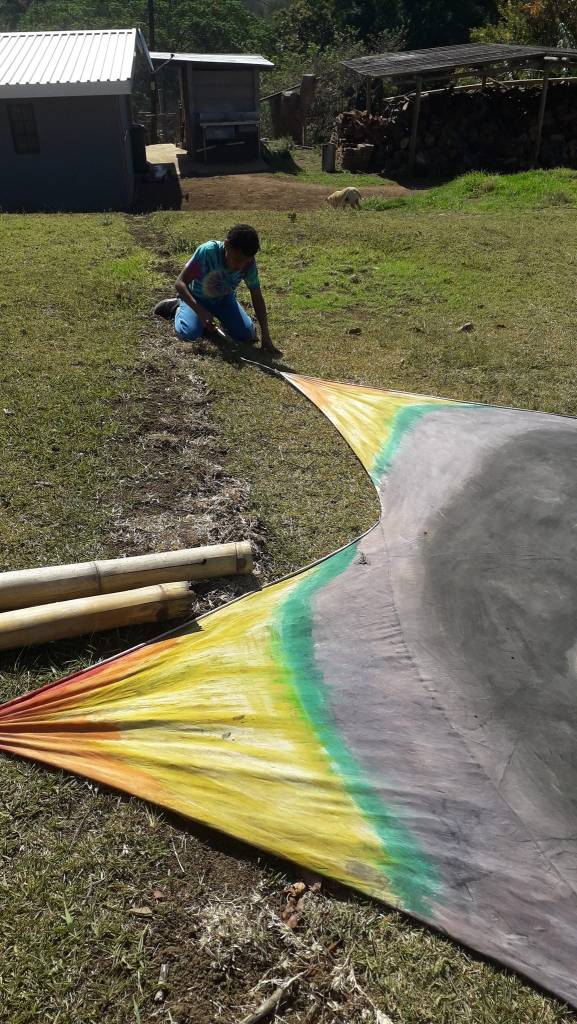
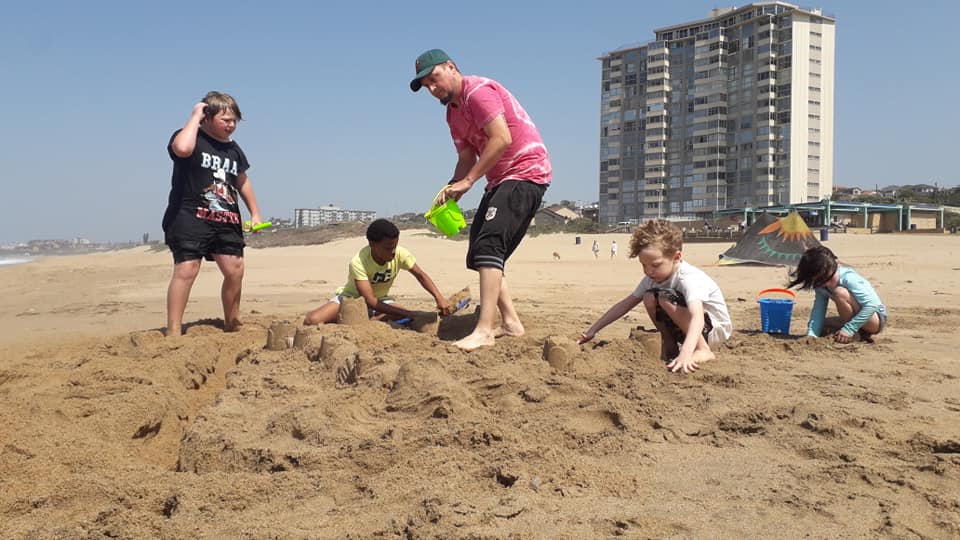
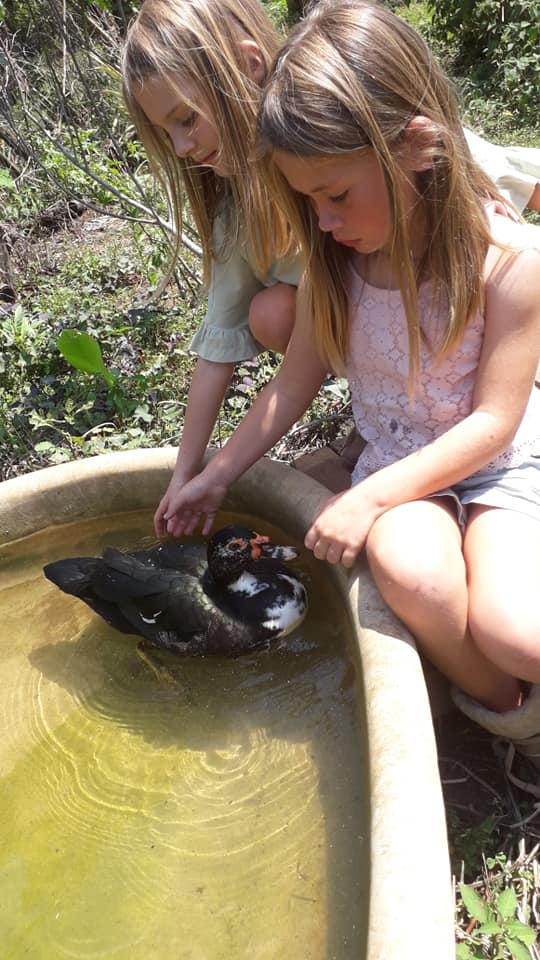
Mainstream Schooling
As a developing world, schools were setup to be similar to the work environment. In the early 1900’s many people worked in factories. They clocked in every morning, worked with a few breaks in between, and left again. The schooling system has a similar setup.
And although it might have worked for that time period, it is certainly not relevant anymore. Today flexi hours or working from home is becoming the norm.
One of the biggest drawbacks in mainstream schooling is the need for memorisation and testing. There is a small need for memorisation in certain professions but with the rise of the internet, all information is available at the click of a button.
Today, what sets you apart in a competitive work environment, is not your ability to remember and regurgitate the information but rather your ability to apply your knowledge. Today’s leaders don’t necessarily have all the knowledge but they know how to get information and what to do with it.
Self-Directed Learning
Self-directed learning allows kids to learn in the world and not about the world. As a self-directed learner, you learn to know yourself. Together with your parent/teacher you discover what your passions are, how you like to learn and how your subject of interest fits into the world.
To discover yourself though, you need a lot of “being bored” time. But due to the fear of missing out and structure of the main stream school setup, most children’s days are filled to the brim with activities. This leaves little to no time for self exploration.
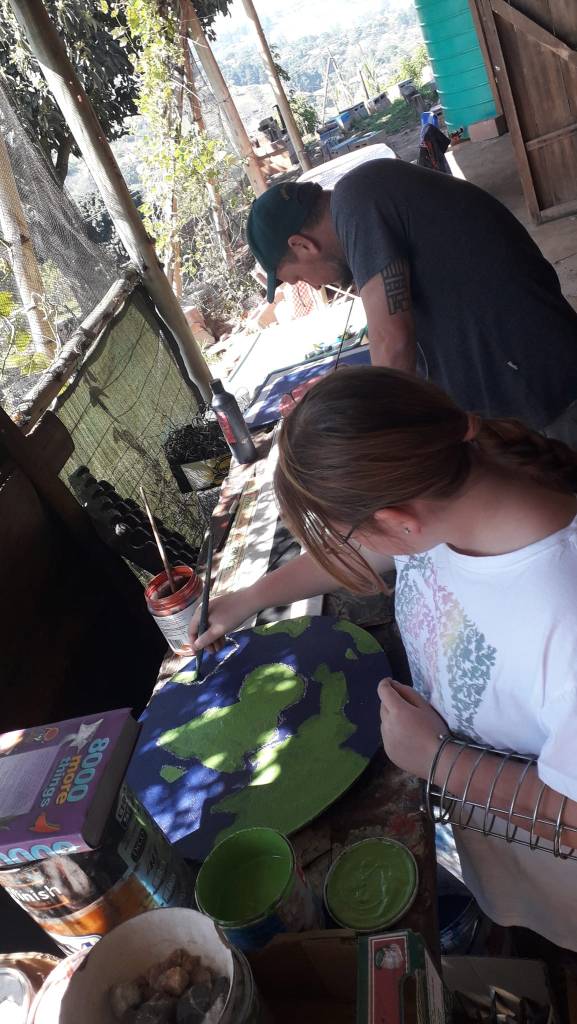
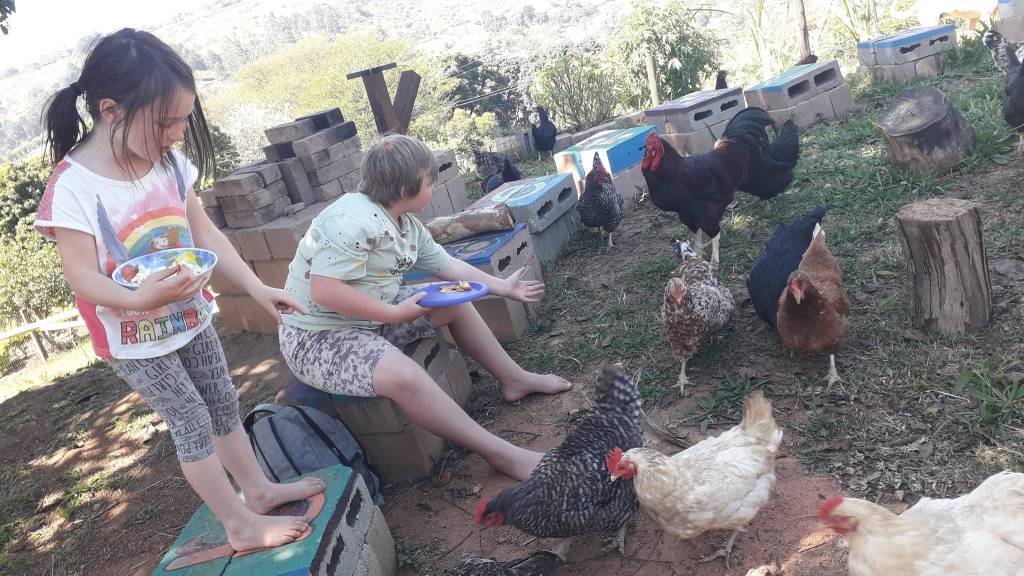
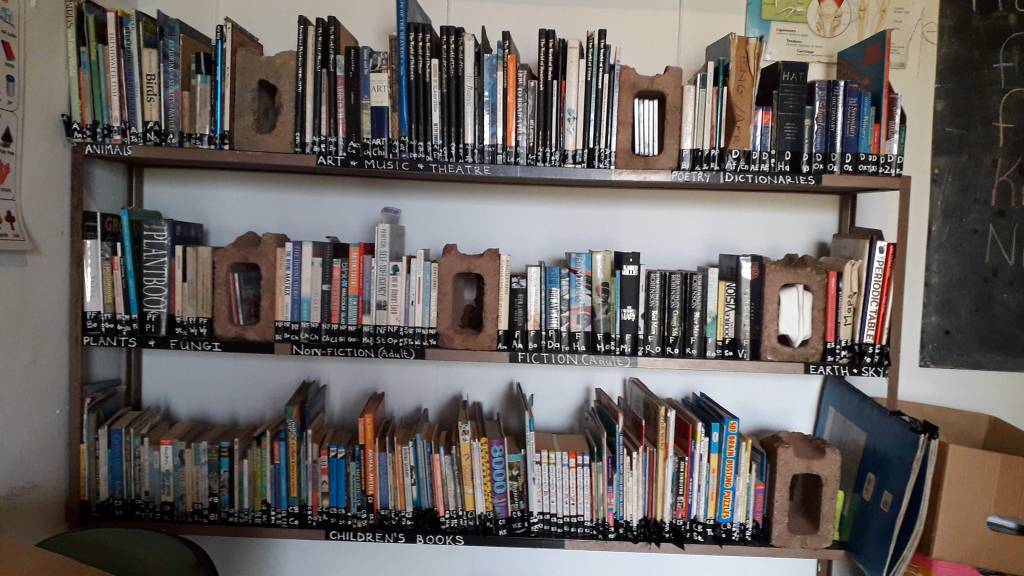
With self-directed learning, children select and manage their own learning experience. A bit of guidance and assistance from an adult will help them get exposed to different environments and subjects. This process allows not only for academic knowledge but also develop the necessary life skills you need to excel in society today.
Can You Do Both?
All parents want the best for their kids. But most parents are working full time and the commitment that self-directed learning requires is not a viable option.
Thankfully there are more and more schools/learning centers opening up geared towards self-directed learning. This allows for children to explore their interests in partnership with other kids without the need for memorisation or testing while still focusing on the individual experience.
At Animalia children have the space to discover themselves and the world around them while addressing academic subjects and developing social skills through interacting with students of all ages.

