Unschooling is a type of homeschooling, first introduced in the the late 1970’s by John Holt. He was an American educator and is seen as the father of unschooling.
Unschooling Philosophy
With an unschooling approach, children direct their own education. It is a child-directed approach and is based on the interests of the child. It is not an educational process and is based on the philosophy that learning is a natural process.
Children learn all the time from their environment and don’t need formal education with worksheets, lessons, or set curriculum. Children learn naturally through experimental learning based on their own interests and personalities.
As with any concept, unschooling has a range where for most people it simply means not coercing or tricking your kids to learn. A more extreme form is radical unschooling where the philosophy of unschooling is extended in all areas of life.
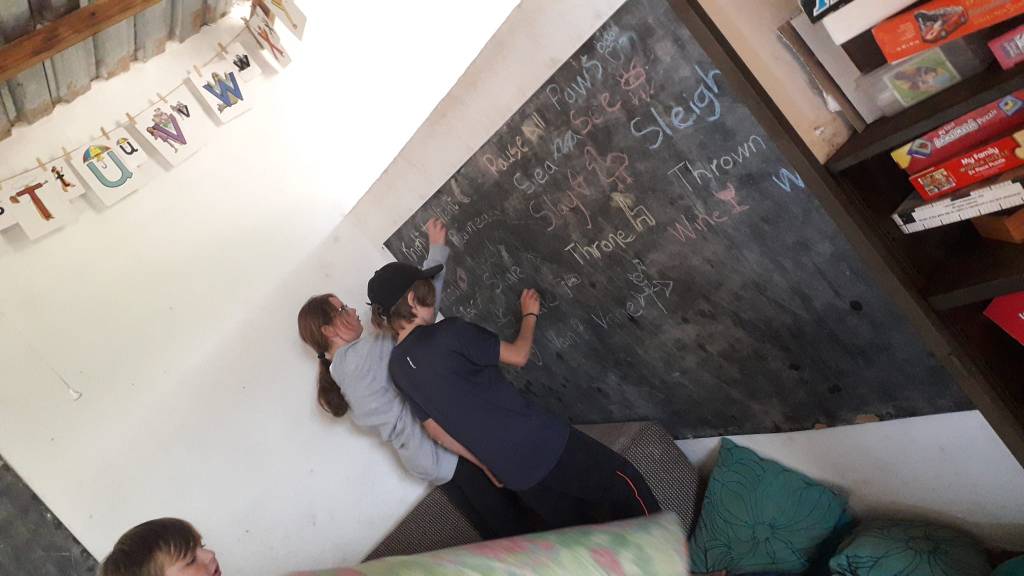
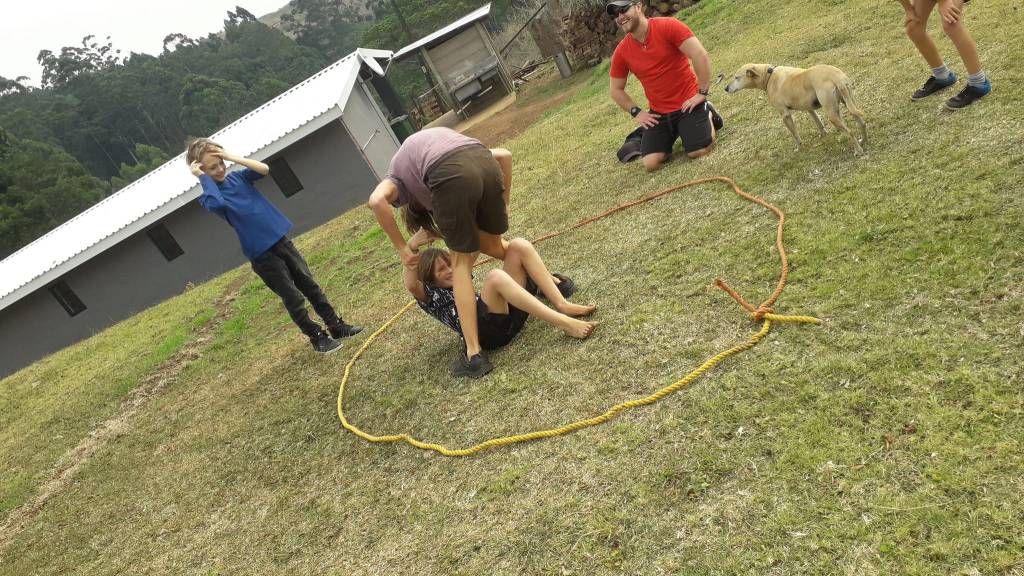
What is Unschooling Not?
Unschooling is not leaving your child to do nothing all day. The term unschooling is misleading and a better word would probably be child-directed learning.
There is a big parental commitment need. As a parent you must be aware of your children’s individual interests and be able to expose them to opportunities where they can explore those interest.
How do Unschoolers Learn?
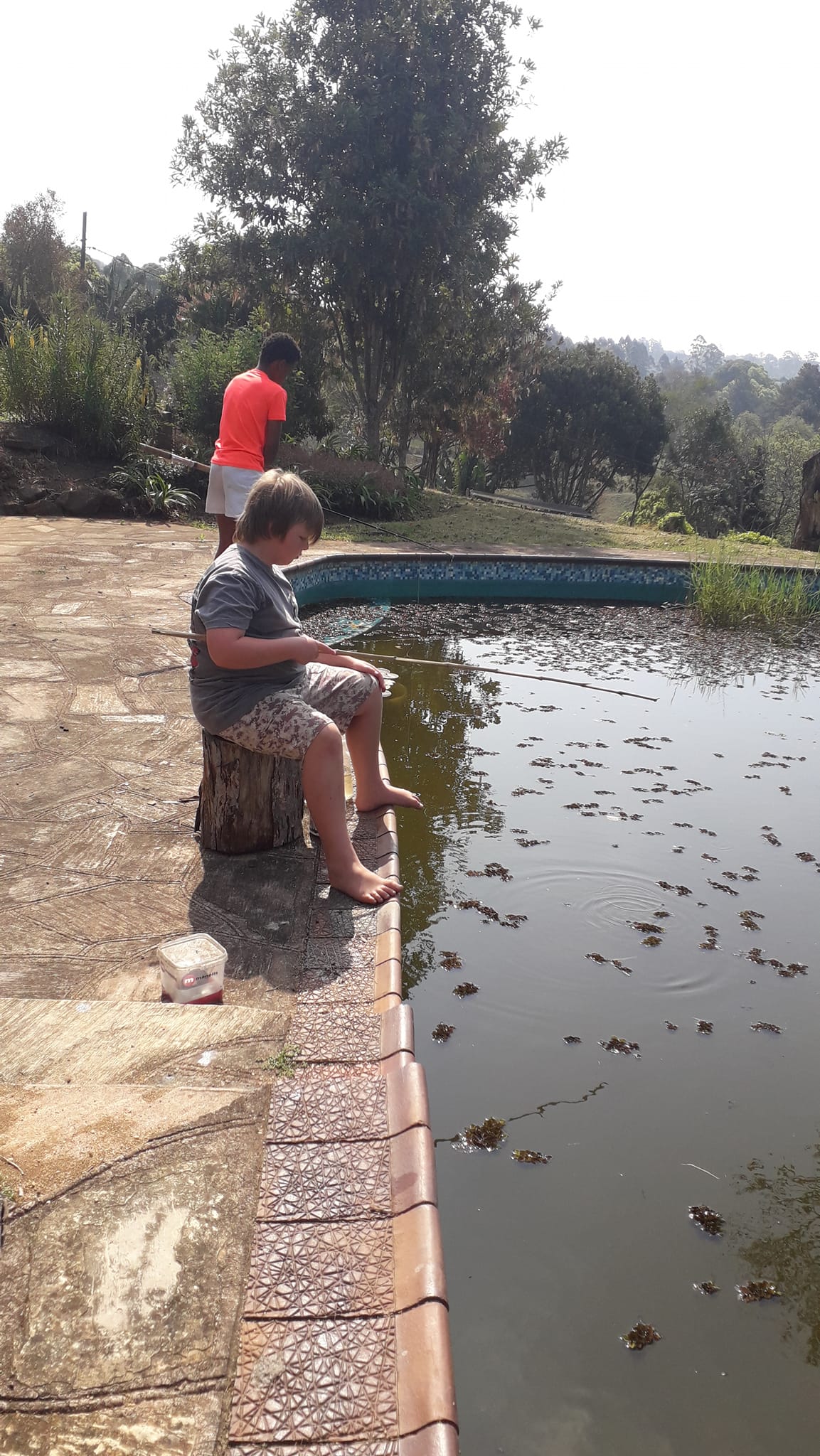
Unschoolers learn the same as most of us learn during adulthood. When you have an interest in something, you figure out how to learn more about it. You are driven by your curiosity and will find your own resources and experiment with your learning.
Children can learn in the same way and we don’t need to wait for adulthood to apply this. When you learn like this, you often go deeper into a subject, remember more of what you learn and the experience is enjoyable.
Pro’s and Con’s with Unschooling
Unschooling can be a fantastic way to raise your children but it is not always sunshine and roses. Let’s look at a few pro’s and cons.
Pro’s
Love for Learning
The quickest way to kill a love for learning is being forced to learn something you have no interest in. And then get tested on it. With unschooling you learn through curiosity and can dive as deep into subjects as you want.
Freedom and Autonomy
Children have the freedom to learn at their own pace and according to their own interests and personality without fear of coercion or having to be at a specific standard at any given time.
Real World Skills
Unschooling allows for learning through every day tasks. It also allows for experimenting with real world tasks like cooking, baking, laundry, shopping etc, without time limits or fear of having to do it correctly.

Sets Responsibility
When children decide on what they want to learn, it creates a sense of responsibility and autonomy. They become conscious of their choices and their role in their own education. This forms the base for life long learning.
Motivational Learning
There is no forced learning. Unschooled children learn because they want to learn not because anyone expects it of them or are forcing them.
Con’s
Parental Commitment
Unschooling is a partnership between parent and child and requires a massive commitment. As a parent it is your responsibility to expose your children to different environments and subjects. After exposure you allow your child to lead. This can be very time consuming especially if you have more than one child.
Feeling Different
Your children will not learn the same things as their school going peers and at times might feel they are behind or missing out. It is not felt so much if you stay within unschooling communities where all children understand the philosophy. But it can be problematic with a family get together or social events outside of these communities.

Parental Anxiety
Parents need a huge mind-shift for this philosophy. Everything you have been taught about schooling and learning is turned upside down. It can lead to a lot of anxiety for parents. Ideally parents need to de-school themselves before embarking on any type of homeschooling journey.
Financial Limitations
To make unschooling work, at least one parent needs to be heavily involved in the day to day processes. For many families that would mean a loss of income for that parent, putting constraints on the family budget. This can also result in limited financial resources for extra activities outside the home.
Socialisation
There is a risk that home becomes too comfortable and there is no real effort in meeting up with people outside of home. It is important that parents make the necessary effort to create opportunities for socialization outside of home.
Last Words
Unschooling requires of parents to partner and be heavily involved in their children’s education. This is a very big task and many parents get very overwhelmed with the process.
At Animalia we offer the best of both worlds. Children have autonomy over their learning while being exposed to various subjects and interest. It also gives the opportunity for socialisation outside of home.
 Animalia Learning Center